
If you love movement but you’re too smart to fall for perfectionism culture…
Honestly, why aren’t we friends already?
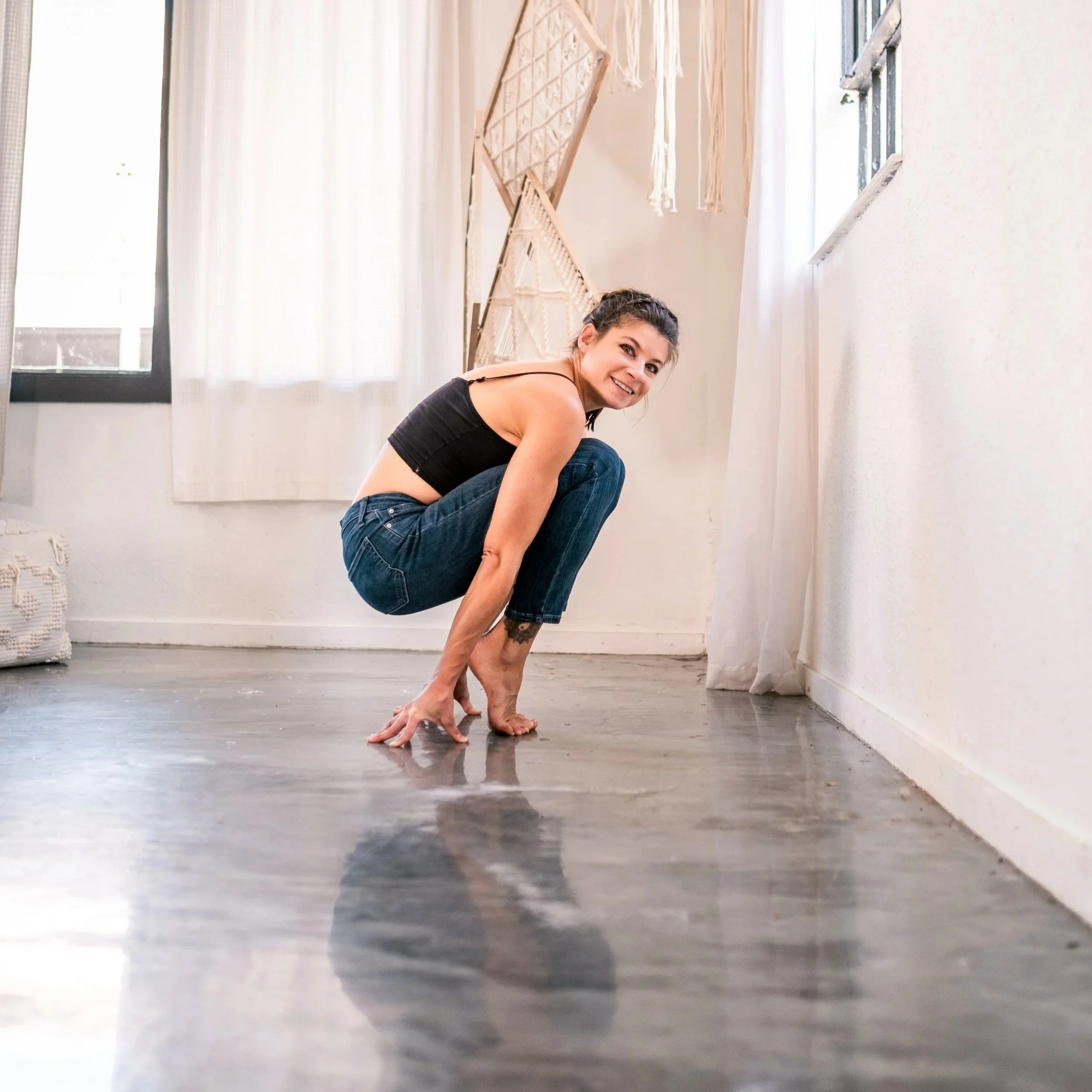
I’m Adell. I’ve loved movement my whole life, but... my relationship with it hasn’t always been healthy.
Years of chasing flexibility, performance, and “doing it right” eventually led me to the thing that changed everything: applying neurology to movement, mindset, and body awareness.
Today I’m a hypermobility-informed, brain-based handstand coach, movement teacher, and author.
Over the last decade, I’ve taught in nearly 30 countries, worked with tens of thousands of students online, built global movement communities, and co-authored the book Too Flexible to Feel Good — written specifically for hypermobile yogis and yoga teachers.
My work blends yoga, neuroscience, hypermobility education, and playful strength training. And like the humans I teach, it continues to evolve as I keep studying how we learn and move.
THE BACKSTORY
Let me back up a bit. You’re on the “about me” page, so I’m guessing you want the slightly messier backstory.

I grew up in a small town of about 10,000 people called Petal, Mississippi. I could say a lot about it, but the part that shaped me most is that I never quite felt like I belonged there. It gave me an early introduction to being “the weirdo” which, honestly, turned out to be useful training. These days I’m pretty comfortable questioning rules, challenging the status quo, and welcoming anyone who’s ever been told they don’t quite fit.

At 19, I moved to the UK, partly to create space outside of the religious environment I grew up in. It gave me freedom. And I definitely explored it. I partied, drifted away from the sports and movement that shaped my childhood, and slowly lost connection with my body in ways I didn’t recognise at the time.

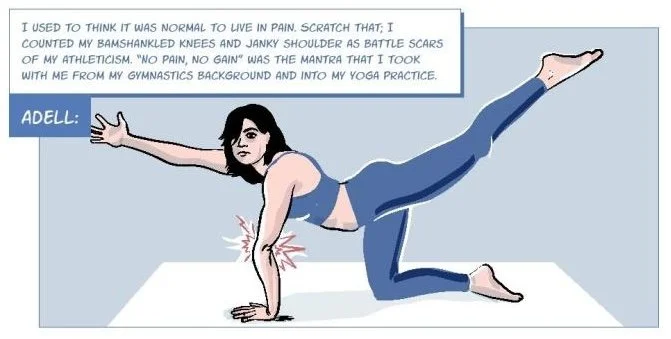
By my late 20s, my body felt decades older than it was. That led me to yoga — and yes, I know how cliché that sounds. But it genuinely changed the direction of my life. I trained in India, got my teaching certificate, and thought I’d found my answer.
Except yoga didn’t solve my pain. It amplified it.
I remember walking down the street gripping my lower back like I was auditioning for a painkiller commercial, wondering how I could be teaching movement while feeling completely broken inside my own body.
So I became obsessed with finding answers. I studied anatomy, biomechanics, fascia lines, meridian systems — anything that promised understanding.
But none of it fully explained my experience.
Then I found a single article online that felt like someone had finally described my body in words. That was the day I discovered hypermobility. At the time, almost nobody in the yoga or movement world was talking about it.
This totally changed how I understood pain, movement, and my teaching.
I dove deep into hypermobility, and this led to collaborations, years of study, and eventually co-authoring Too Flexible To Feel Good, a book written specifically for hypermobile yogis.
Yordan Terziev & Boryana Dornayova ©
During the writing and researching process, I came across applied neurology — and that’s where everything shifted BIG TIME.
You know that amazing feeling when you learn a word that describes something you've always felt but never been able to articulate? That was neurology for me. It gave me language and tools for something I had felt but never understood: movement isn’t just about muscles and joints. It’s about how the brain interprets safety, strength, and control.
That understanding transformed my own body and reshaped my entire teaching philosophy.
I’ve continued studying neurology since 2020 and have supported hundreds of people around the world in building stronger, more confident relationships with their bodies.
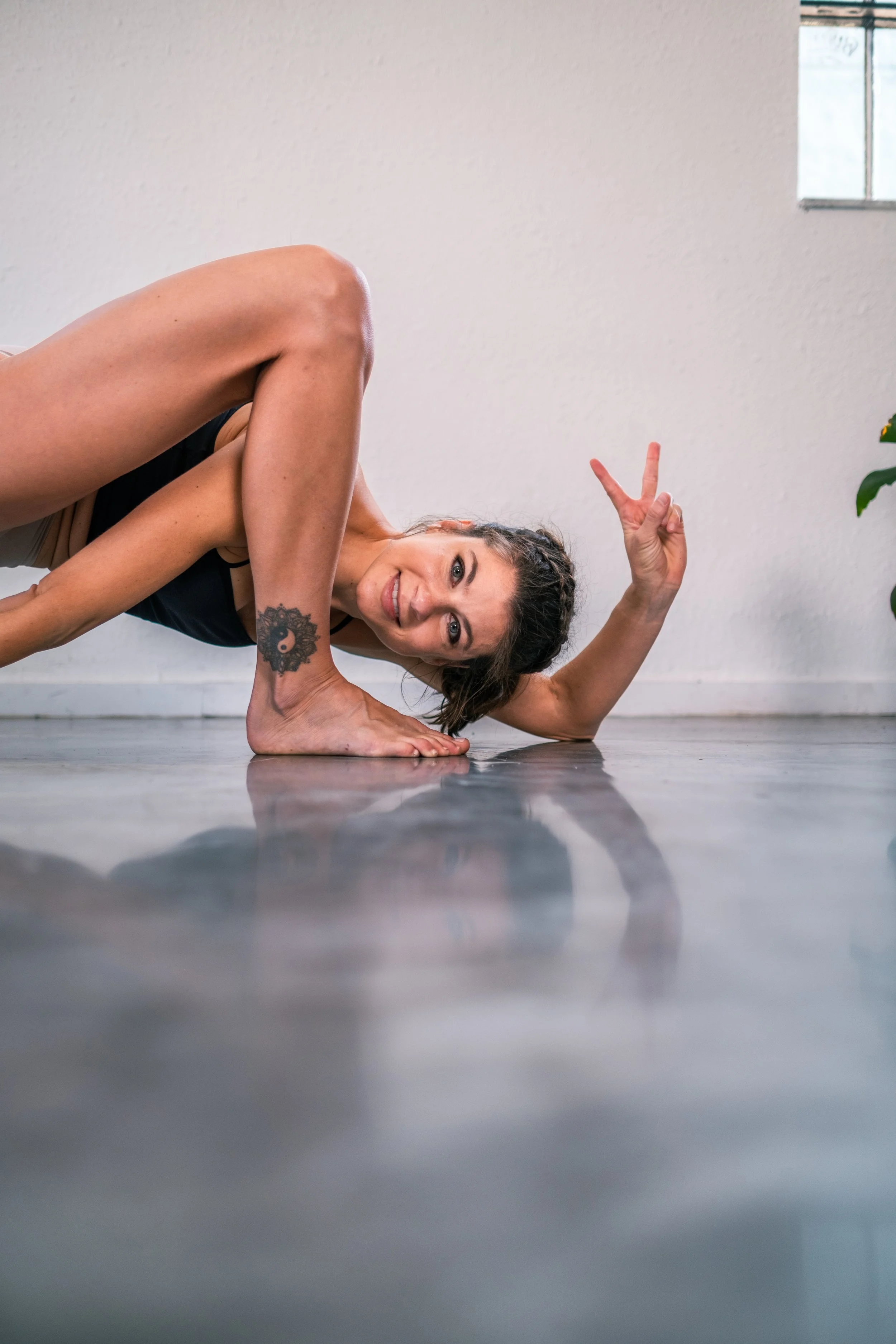
Skills and physical abilities matter. But the deeper skill is learning to trust yourself. Not a guru. Not an external authority. You.
However you choose to learn with me — through free resources, memberships, coaching, or trainings — you’ll be supported, encouraged, and challenged to explore movement with curiosity and self-trust.
Strength, inside and out, grows best when it’s built with patience, play, and respect for your own body.
If you’re not sure where to start,
you can explore my free resources or learn more about my communities below.